Beyond On-Time Performance: How Travel Brands Can Measure, Predict & Fix CX Failures Before They Go Viral

Every holiday & wedding season, India’s travel ecosystem transforms into a pressure cooker. Airports overflow, railway platforms are packed shoulder-to-shoulder, buses run back-to-back, and customer emotions swing wildly—hope, excitement, frustration, anxiety—often in the same journey.
And every year, travel brands find themselves fighting the same fires: delays, cancellations, overcrowding, misinformation, poor communication, unresponsive helpdesks, and negative social media storms that build faster than the departure queues.
Most travel operators—airlines, railways, and intercity travel brands—try to solve these issues by tracking the same old metrics: on-time performance, ticket numbers, load factors, call volumes, occupancy percentages.
But here’s the truth:
Travellers don’t judge you only on punctuality. They judge you on perception.
A flight that departs 25 minutes late but keeps customers informed throughout feels better than one that departs on time but leaves passengers confused, unattended, or unheard.
In the end of year travel rush, your customer experience is not defined by operations alone—it’s defined by what the customer feels happened. And this is where CX measurement tools become mission-critical.
The Real Problem Isn’t the Delay. It’s the Disconnect.
Travel breakdowns happen. Fog disrupts visibility, holiday surges overwhelm systems, congestion throws off schedules, baggage belts jam, trains slow down during winter.
What creates viral negativity is not the incident itself—it’s the lack of communication, delayed responses, and the perception that the brand doesn’t care.
Three things typically go wrong during peak travel season:
1. Brands find out too late
By the time you learn customers are angry, the screenshots are already on social media.
2. Teams don’t know what to prioritise
Is the bigger issue delays? Baggage? Cleanliness? App glitches? Payment failures? Only customers can tell you what’s breaking most often.
3. There’s no real-time loop back to operations
Even when feedback is collected, it’s processed too slowly to make an impact.
This is exactly why modern travel brands need real-time CX measurement tools—not surveys that come in days later, buried in inboxes.
Real-Time Measurement Changes Everything
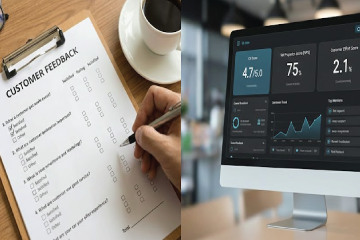
Modern CX platforms—like LitmusWorld—capture feedback the moment the customer interacts with your brand. In the travel world, that means:
- Immediately after boarding
- After security check
- During delays
- After baggage pick-up
- Post-ticket booking
- After a train or bus journey
- Post-support interaction
This continuous listening provides a live pulse of your travellers’ sentiment, helping you identify issues before they balloon into nationwide outrage.
Imagine knowing in real time that:
- Passengers at Gate 27 are frustrated because staff are missing
- A specific bus route has recurring complaints about cleanliness
- A train is consistently delayed due to a specific bottleneck
- A mobile app payment flow is failing for 18% of users
- Baggage delays are reaching unacceptable levels on one belt
- Call centre wait times have spiked to 40 minutes
- Airport shuttle service is backed up, leaving passengers stranded
Now imagine being able to act on it immediately.
That’s the shift.
From Reactive to Predictive: How LitmusWorld Helps Travel Brands Stay Ahead
LitmusWorld is built for high-volume, high-emotion environments—like holiday travel.
Here’s how the platform transforms your CX during the holiday rush:
Real-Time Measurement at Every Touchpoint
LitmusWorld captures customer signals during the actual journey—not 48 hours later. This helps you detect breakdowns within minutes, not days.
Predictive Alerts That Flag Issues Early
The platform uses patterns from past incidents to predict what’s likely to break again. For example, if baggage complaints spike at certain hours, or train delays correlate with weather patterns, LitmusWorld highlights the risk before travellers flood your helpdesk.
Automated Actions & Service Recovery
When negativity spikes, the system can trigger instant workflows:
- alerts to ground staff
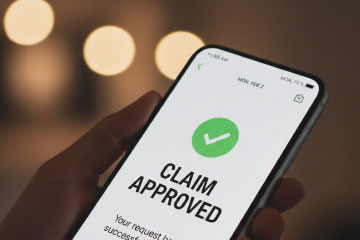
- automated apology messages
- refund or voucher workflows
- routing escalations to senior teams
This turns potential PR crises into quick recoveries.
Closing the Loop With Dissatisfied Travellers
A delayed flight or train can be salvaged if the customer feels heard. LitmusWorld initiates a rapid “resolve” workflow that connects your team with unhappy customers before they vent publicly.
Data That Fixes Customer Perception
Customer perception is shaped by communication. LitmusWorld shows you exactly where travellers feel uninformed or ignored—and which interventions rebuild trust.
Journey-Level Analytics
Travel is a multi-touch journey. LitmusWorld maps sentiment across booking → boarding → in-transit → post-travel, giving you clarity on which stages are hurting your brand and where to invest time and resources.
The Holiday Travel Season Doesn’t Have to Be a CX Minefield
Travel brands that excel in peak season have one thing in common: They don’t wait for customers to complain. They listen continuously.
CX measurement tools help you:
- control customer perception
- communicate better
- identify breakdowns in real time
- prevent social media crises
- improve service recovery
- build trust even during disruptions
A 45-minute delay doesn’t destroy loyalty. A lack of empathy does. A missed connection isn’t what goes viral. Screenshots of being left in the dark are.
With real-time CX measurement in place, you don’t just fix problems – you fix the story customers tell about you.
Ready to transform your travellers’ experience this season?
If you’re looking to reduce complaints, predict failures, and delight passengers even in peak-season chaos, we’d love to show you how LitmusWorld can help.
Book a quick demo and see the platform in action.