10 Strategies to Boost Your CX Survey Response Rates

Customer feedback is the backbone of every customer experience (CX) strategy. Yet, getting customers to actually respond to surveys remains a challenge. Low response rates can distort insights, delay action, and weaken the link between CX improvements and business results.
For CX companies and brands alike, increasing survey participation is not just about sending more emails—it’s about crafting thoughtful, frictionless experiences that make customers feel heard. Here are 10 proven strategies that can help you increase customer feedback response rates and get better-quality insights.
1. Time It Right
One of the most overlooked factors in survey response is timing. Customers are far more likely to respond when the interaction is fresh in their minds—be it after a service call, product purchase, or website visit.
- What to do: Trigger feedback requests within minutes of an interaction. For example, send an SMS survey immediately after a transaction or display an in-app pop-up right after a chat ends.
- Why it works: It captures the emotional pulse of the experience and ensures customers remember the details you’re asking about.
2. Go Omnichannel
Customers interact with brands across multiple platforms—email, mobile apps, social media, and more. Limiting your feedback request to a single channel leaves out a large segment of your audience.
- What to do: Deploy surveys across email, SMS, WhatsApp, push notifications, IVR, kiosks, and even QR codes in physical locations.
- Why it works: It meets the customer where they are, improving both visibility and convenience.
3. Keep It Short & Relevant
Lengthy surveys are one of the most common reasons customers abandon feedback forms. They simply don’t have the time or motivation for 20+ questions that don’t feel relevant.
- What to do: Limit your surveys to 3-5 highly targeted questions. Use conditional logic to make questions dynamic and context-sensitive.
- Why it works: Short, purposeful surveys feel respectful of a customer’s time and result in higher completion rates.
4. Use Personalization
Generic requests like “Dear Customer, please take our survey” don’t inspire action. Personalized messaging helps customers feel like their feedback truly matters.
- What to do: Address customers by name, reference their transaction (e.g., “your recent purchase of X”), and tailor the message tone to your brand.
- Why it works: It increases trust and makes the request feel human, not robotic.
5. Support Regional Languages
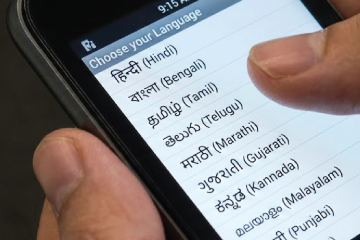
India’s linguistic diversity means that asking for feedback in English may not always resonate. Customers are more likely to engage when they can respond in the language they’re most comfortable with.
- What to do: Offer surveys in multiple regional languages like Hindi, Gujarati, Tamil, Bengali, and more. Platforms like LitmusWorld support multilingual feedback collection seamlessly.
- Why it works: Language comfort reduces cognitive load and improves the accuracy of responses.
6. Nudge Non-Responders
Sometimes, customers simply forget to respond—or miss the request entirely. A gentle, timely reminder can make all the difference.
- What to do: Send automated follow-up messages 24–48 hours after the original request. Change the subject line or channel for variation.
- Why it works: It brings your message back to the top of their inbox without coming across as spammy.
7. Design for Mobile-First
With over 90% of internet users in India accessing the web via smartphones, your surveys must be mobile-optimized. If a form is clunky or doesn’t load well on a phone, it’s likely to be abandoned.
- What to do: Use responsive design, large tap targets, and minimal scrolling. Avoid multi-page forms unless absolutely necessary.
- Why it works: A smooth mobile experience increases both engagement and completion rates.
8. Embed Feedback Requests Seamlessly into Journeys
Rather than sending surveys as a separate follow-up, integrate them into your existing customer flows, such as app confirmations, receipts, or website thank you pages.
- What to do: Add a feedback module directly within digital or physical customer touchpoints.
- Why it works: It feels like a natural part of the process, not an extra task.
9. Incentivize Thoughtfully
Incentives, when used correctly, can nudge customers toward participating. However, they should be meaningful without feeling like a bribe.
- What to do: Offer small rewards like loyalty points, discounts, or entries into a prize draw. Clearly communicate the incentive upfront.
- Why it works: It adds a sense of immediate value for the customer’s time and effort.
10. Close the Loop and Show Impact
Customers want to know that their feedback led to real change. If they feel ignored, they’re less likely to participate again.
- What to do: Send follow-up messages highlighting actions taken based on feedback. For example: “Based on your input, we’ve improved our app checkout experience.”
- Why it works: It builds trust, loyalty, and a sense of co-ownership in improving the brand experience.
Response Rates Are Just the Beginning
Raising response rates is a crucial first step, but the real win lies in what comes after. Listening well leads to acting better. And acting better leads to loyalty, growth, and reputation. When you build trust into every feedback moment, customers don’t just participate—they become advocates.
When every lead is hard-earned and customer trust is priceless, proving your CX power is essential. With LitmusWorld, one of the leading customer experience management platforms in India, you can link customer delight with business outcomes.
If you’re interested in learning more about how your company can benefit from boosting CX response rates, contact us today and talk to one of our CX experts.